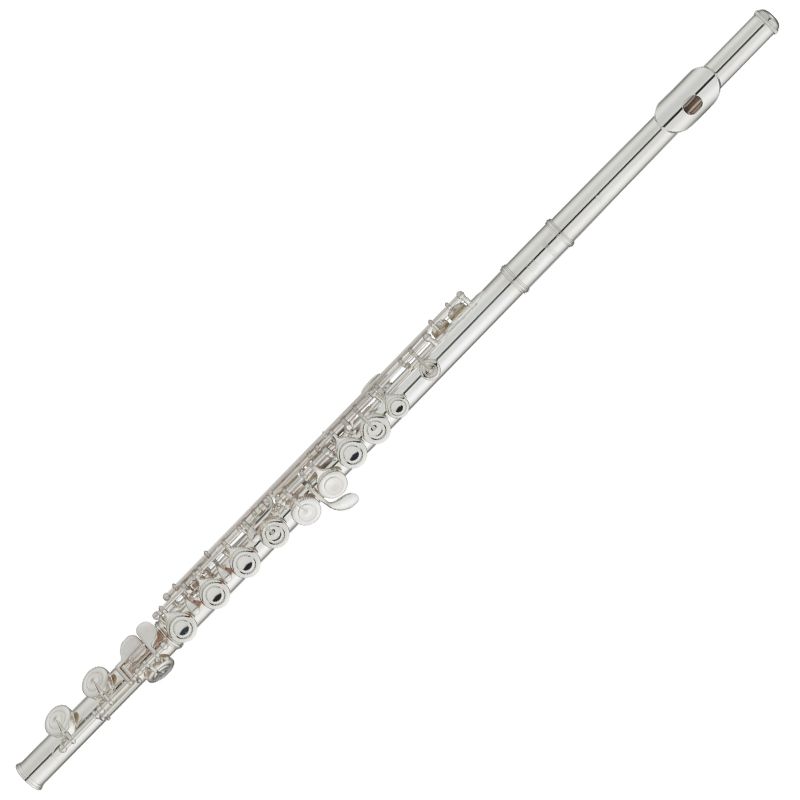
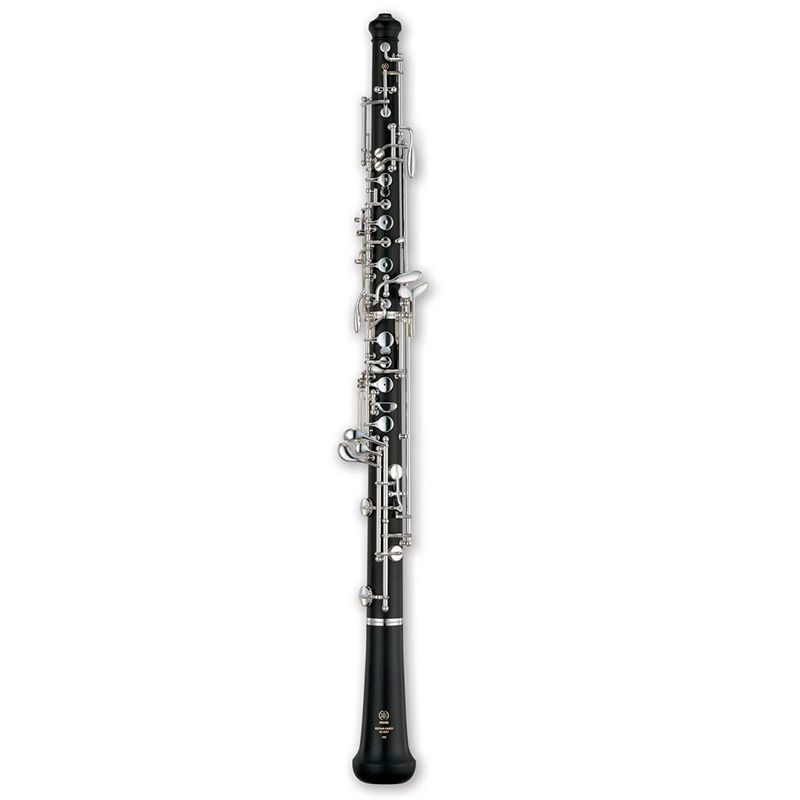
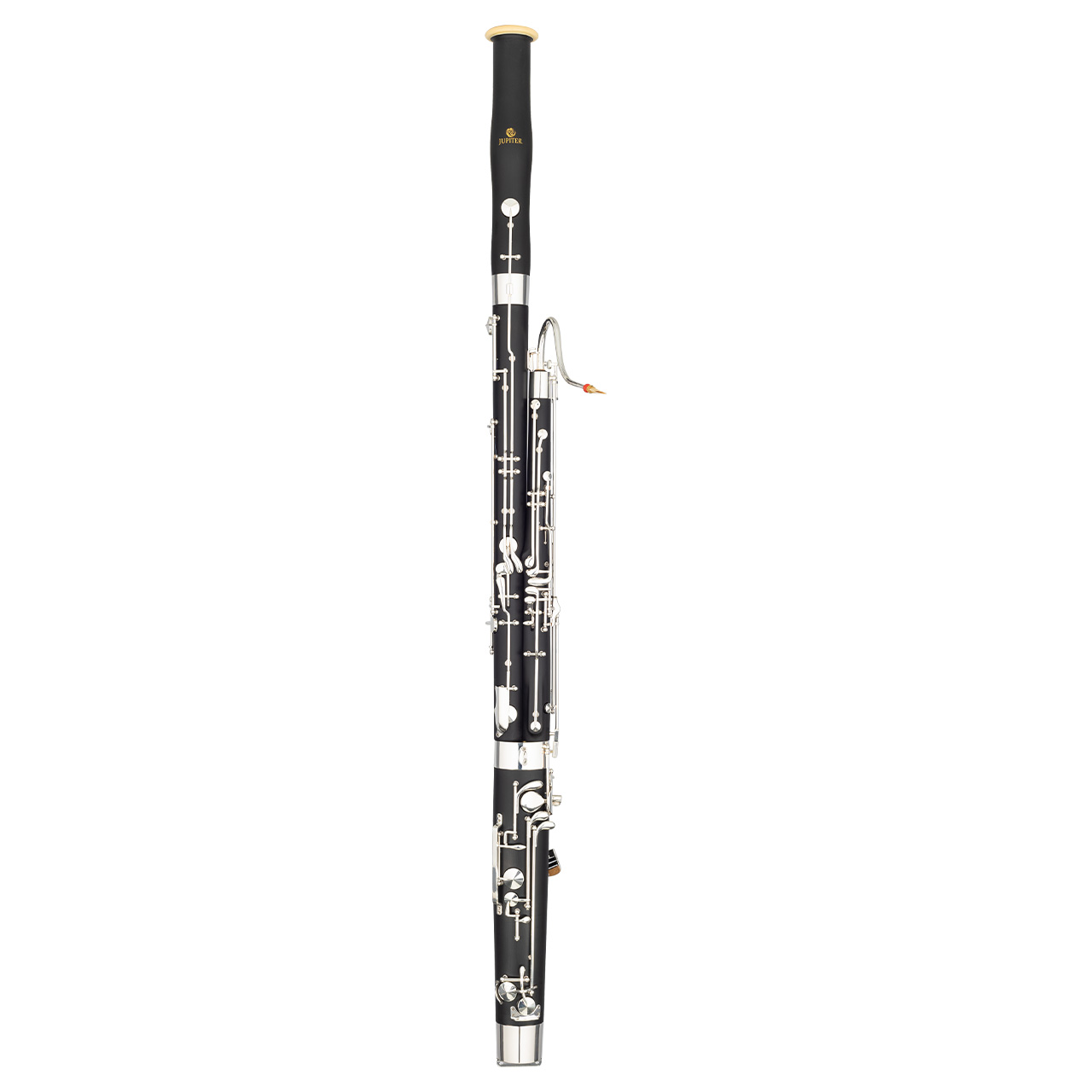
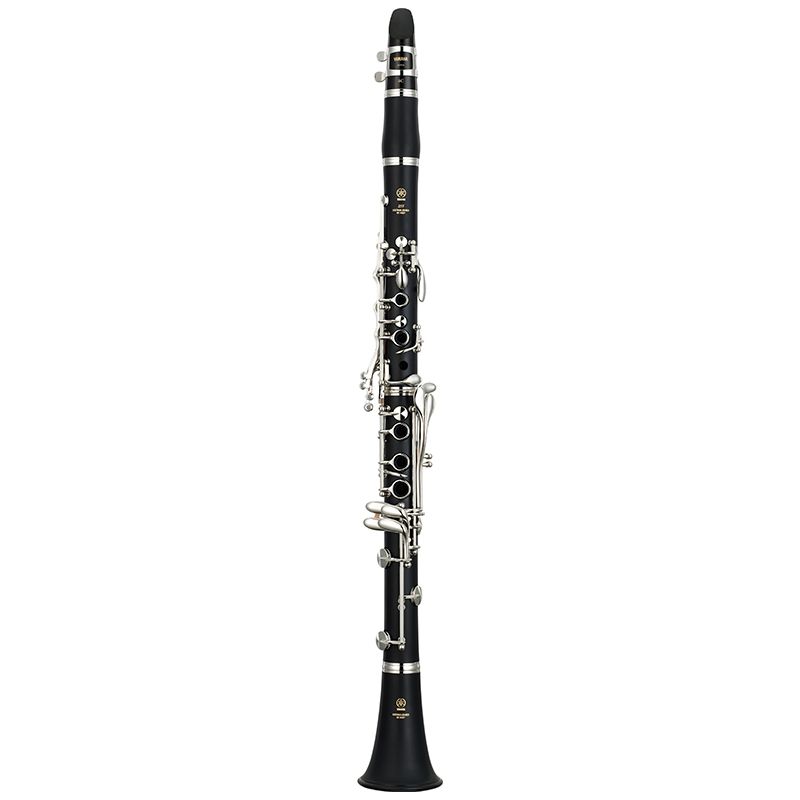
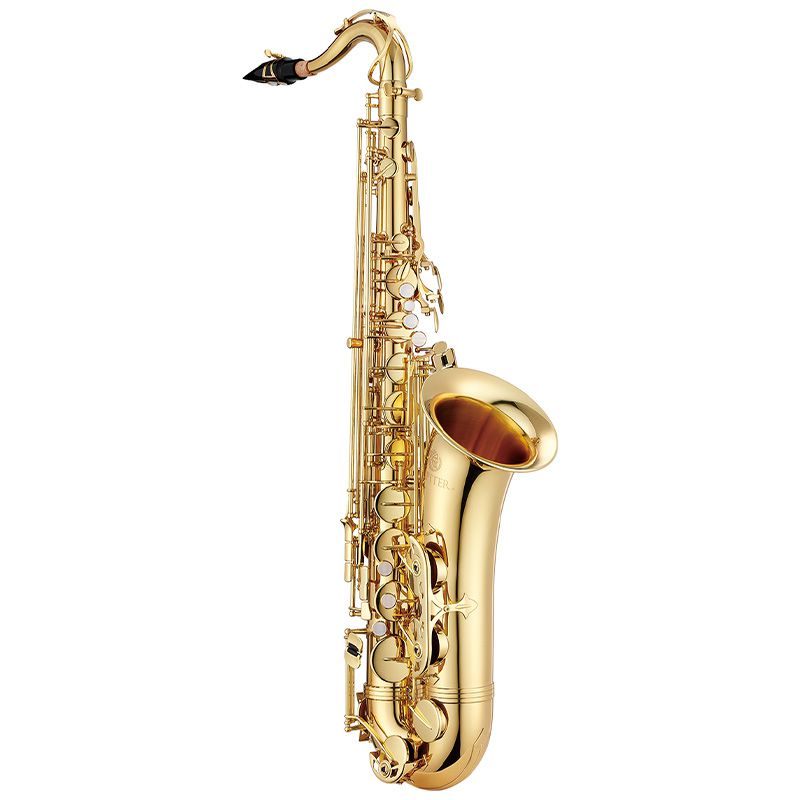
Musical instruments are grouped into families by like characteristics. The tenor saxophone, although its body is made of brass, is actually a woodwind instrument. Saxophones belong to the woodwind family because, like most woodwinds, they use a reed to produce their sound, and change notes by covering specific combinations of holes along the body.
A reed is a thin piece of cane which attaches to the mouthpiece, and vibrates when air is blown past it. Reeds come in a variety of different stiffness represented by a number on the package. Either a number 2 or 2.5 is what most music educators recommend for beginning players. After about six months of playing, students are encouraged to move up a half size.
If a student is switching from clarinet, it is often recommended they get a couple reeds a half size down from where they where. It's important to note during this transitional period, when moving down, do not drop below a number 2.5. It won't take very long to get used to the saxophone mouthpiece, at which point they should move back up in strength.
Reeds will wear out over time, and as the player grows in ability, they should continue to move up in reed stiffness.
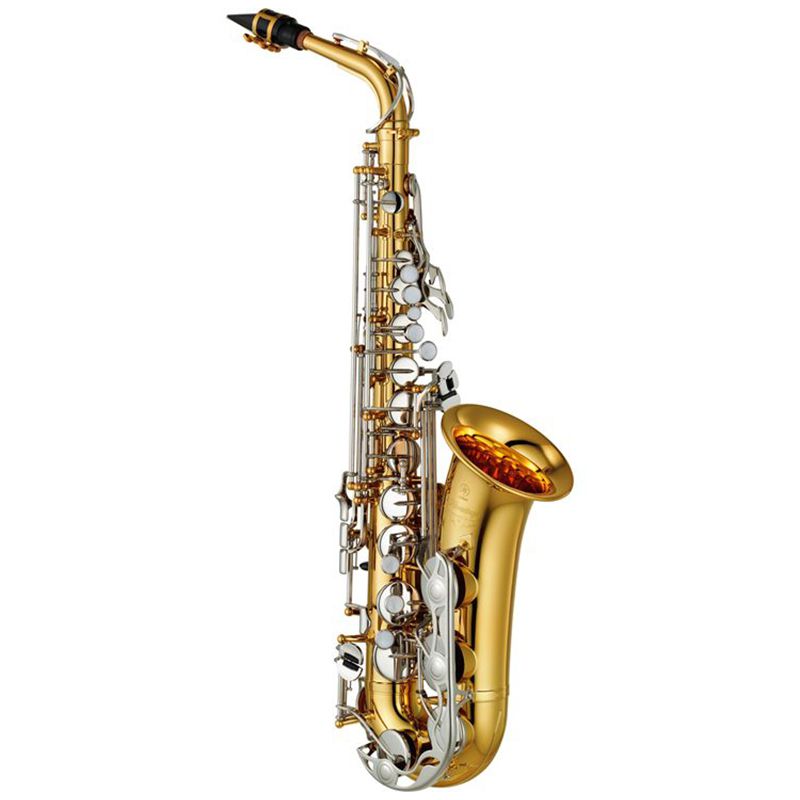
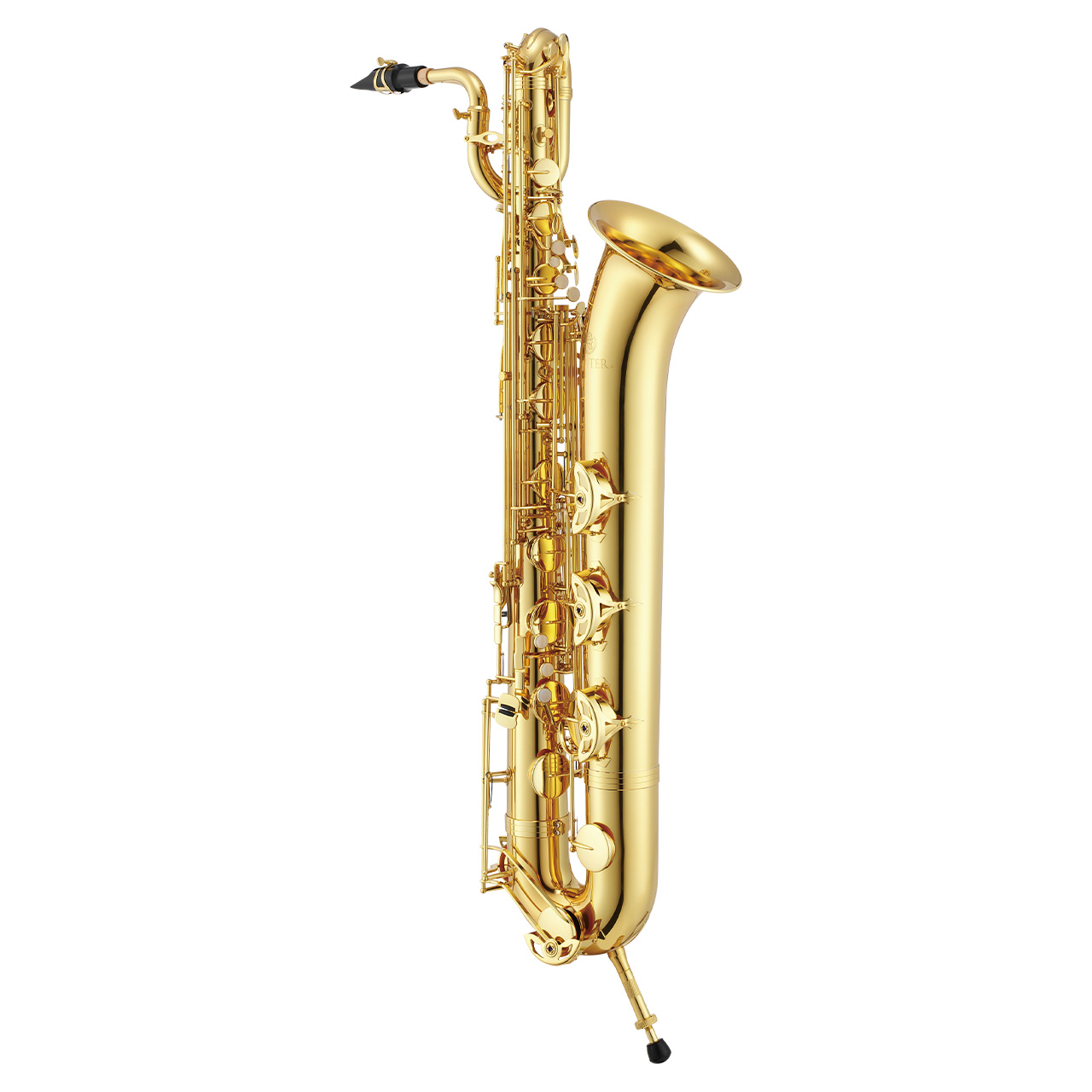
There are four common voicings for the saxophone, much like a choir. From highest sound to lowest, the four saxophone voicings are Soprano, Alto, Tenor, and Baritone. The tenor saxophone splits its time between melody and harmony. Because the sound it produces is in the same range as many of our voices, the tenor sax is used to fill in the middle sounds of the group. It is a bridge between the high flutes and trumpets, and low trombones and tubas.
Because the saxophone did not exist until 1846, it is not a member of the symphony orchestra like most other instruments. It does however play a key role in jazz, rock and pop music.
If a student is interested in learning to play the tenor saxophone, but the band teacher said they should start with something else first and switch later, the clarinet is a great starting point.